

The stretch of Broadway between 18th Street and 23rd Street has worn many identities over the past 150 years.
Ladies Mile Flatiron: In the late 1800s, it became famous as the Ladies’ Mile, Manhattan’s first true destination shopping district—a corridor of grand department stores, electric lights, plate-glass windows, and unescorted women who finally had a safe, public place to browse, stroll, and be seen.
Today, the same blocks form a core part of the Flatiron District—a mix of restored landmark buildings, modern retailers, creative offices, independent shops, and some of the most recognizable architecture in New York.
Walk the streets today and you can still feel the energy of the original Gilded Age boulevard, layered with the Flatiron’s modern, walkable lifestyle.
This guide blends Flatiron history, architecture, culture, and what the corridor looks like now, with subtle integration for our Flatiron Business Directory so visitors and locals can explore the area with context and purpose.
✨ Highlights: Why Ladies’ Mile Still Matters
- Historic Landmark District: protected since 1989 by NYC’s Landmarks Preservation Commission
- Former home of Gilded Age giants: including Siegel-Cooper, B. Altman, and Simpson-Crawford
- Cast-iron and Beaux-Arts architecture: lining Broadway between 18th & 23rd Streets
- Modern retail revival: ABC Carpet & Home, Fishs Eddy, MUJI, plus Flatiron dining steps away
- Flatiron Business Directory anchors: restaurants, cafes, fitness studios, salons, boutiques
📍 Where Exactly Is Ladies Mile Flatiron?
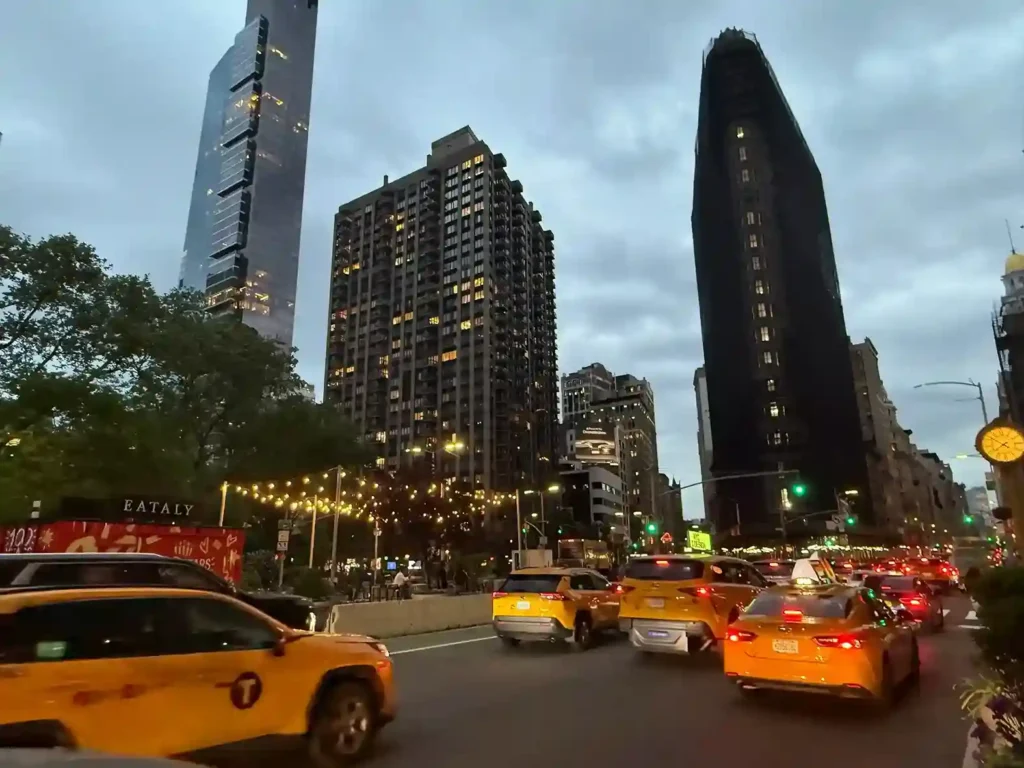
Boundaries officially recognized by NYC LPC:
- North: West 23rd Street
- South: West 15th Street
- West: Sixth Avenue
- East: Park Avenue South
The district covers roughly 28 blocks of landmarked retail architecture, with the heaviest historic concentration along Broadway between 18th and 23rd Streets.
Today, the area sits between and blends with:
- Flatiron District (north)
- Union Square (south)
- Chelsea (west)
- Gramercy / NoMad (east)
This makes it one of the most walkable, transit-connected zones in Manhattan.
Ladies Mile Flatiron
📜 A Brief History: How Ladies’ Mile Became NYC’s First Retail Destination
In the 1870s–1910s, New York’s retail scene shifted from smaller downtown shops to large “palaces of consumption.” Department stores began transforming shopping into a cultural event—with elevators, electric lighting, pneumatic tubes, and elaborate displays.
The Ladies’ Mile emerged as the center of this new urban retail experience.
Major anchors of the era included:
- Siegel-Cooper (six-acre department store at 18th–19th St, now home to retailers like T.J. Maxx)
- B. Altman (original Broadway store before moving uptown to 34th St)
- Simpson-Crawford (Sixth Ave, near today’s Bed Bath building footprint)
- Arnold Constable (one of America’s earliest department stores)
These buildings used:
- Cast-iron facades
- Tall loft-style floors
- Monumental windows
- Elaborate cornices
All designed to showcase merchandise on a scale New Yorkers had never seen.
Electrified signs, polished stone sidewalks, glass displays, and carriage-lined streets made the Ladies’ Mile a symbol of Gilded Age prosperity.
Landmark Preservation (1989)
- By the 1970s, many buildings were at risk.
- Preservation advocates—including Anthony C. Wood and the Historic Districts Council—pushed for protection.
- The area was landmarked in 1989, preserving nearly three dozen structures and ensuring the Gilded Age streetscape survives.
🏢 Key Stops in the Ladies’ Mile Flatiron Area
Even though the grand department stores closed long ago, many of the buildings found new life.
Below are the core architectural and cultural points.
Flatiron Building – 23rd & Broadway
While technically just north of the district, the Flatiron Building is the unofficial northern “gateway” to the corridor.
Built in 1902, its triangular wedge shape remains one of the most recognized silhouettes in the city.
Siegel-Cooper Building – 620 Sixth Avenue (18th–19th St)
Once the largest department store in the world, Siegel-Cooper was a full-city-block retail palace with fountains, arcades, and its own “subway” of pneumatic tubes.
Today, the building houses:
- T.J. Maxx
- Marshalls
- Other large-format retailers
This is the most accurate modern example of a historic Ladies’ Mile building still functioning as retail.
ABC Carpet & Home – 888 Broadway
A neighborhood institution since the mid-20th century, known for rugs, decor, wellness items, and curated artisan pieces.
Fishs Eddy – 889 Broadway
A Flatiron favorite for vintage-inspired dishware and quirky New York memorabilia.
Ladies Mile Flatiron
🌿 Where to Shop Like a Local (Inside & Near Ladies’ Mile)
These shops are adjacent or just outside the landmark district, but part of the modern experience:
MUJI – 5th Ave
Minimalist Japanese home goods, clothing & stationery.
Rizzoli Bookstore – NoMad (1133 Broadway)
Just north of the district, but culturally connected.
One of NYC’s most beautifully designed bookstores.
Paragon Sports – Union Square (18th St)
A sporting goods institution since 1908—technically south of the district, but historically linked to the neighborhood’s retail evolution.
🍽️ Food & Drink Near Ladies’ Mile (Flatiron Essentials)
The Ladies’ Mile itself isn’t heavy on restaurants, but the Flatiron and Union Square borders give you endless options.
Quick Stops
- Shake Shack (Madison Square Park original)
- Daily Provisions (19th & Broadway)
Sit-Down Favorites
- La Pecora Bianca (Italian)
- Upland (California cuisine)
- Barbounia (Mediterranean)
Coffee & Treats
- Birch Coffee (with the upstairs library)
- Levain Bakery (Flatiron location)
Ladies Mile Flatiron
🎨 Culture, Art & History Along the Corridor
Poster House – 23rd Street
The first U.S. museum dedicated to poster art. Perfect for design and visual culture fans.
Madison Square Park Public Art
Rotating installations turn the park into an outdoor gallery year-round.
Street-Level History
Look for plaques and preserved architectural details—keystones, cast iron, terracotta—marking buildings from the 1880s–1920s.
Edith Wharton, Margaret Moore, and other writers described this very corridor in their accounts of New York’s social scene.
🧭 Insider Walking Guide (MeetFlatiron Style)
Best 1-Hour Route
Start: 23rd & Broadway (Flatiron Building)
→ ABC Carpet & Home
→ Fishs Eddy
→ Walk Broadway down to 18th
→ Cross to Sixth Avenue
→ Explore Siegel-Cooper Building
→ End at Union Square Greenmarket
Best Time to Visit
- Weekday mornings for quiet architecture walks
- Golden hour for photography
- Saturdays for Union Square Greenmarket
Transit
- R/W to 23rd
- 4/5/6/N/Q/R/L to Union Square
Ladies Mile Flatiron
📈 Future of Ladies’ Mile (2025–2030 Outlook)
The corridor is entering a new phase, shaped by:
1. Adaptive Reuse
Historic retail buildings are increasingly converted into:
- Creative offices
- Design studios
- Flagship showrooms
- Experiential retail
- Boutique fitness (very Flatiron)
2. Retail Stabilization
Post-pandemic vacancy is easing. Large floor plates + landmark charm = high demand for:
- Furniture brands
- Wellness brands
- Sneaker/streetwear showrooms
- Mission-driven concept stores
3. Residential Growth Nearby
Residents from Flatiron, NoMad, and Gramercy feed foot traffic that the Ladies’ Mile did not have during the Gilded Age.
4. Cultural Relevance
Poster House, Madison Square Park Conservancy, and the Flatiron BID collectively create a cultural ecosystem surrounding the district.
This makes the area more than retail—it’s an urban heritage zone with modern neighborhood life.
Ladies Mile Flatiron
🏙️ Business Directory (Coming Soon)
Throughout the district, many retailers, cafes, salons, and fitness studios appear in the Flatiron Business Directory, including:
- Restaurants
- Cafes
- Wellness Studios
- Shopping
- Local Services
Use this guide as your walking companion, and explore listings as you go.
Final Thoughts: Past and Present, Side by Side
The Ladies’ Mile is one of Manhattan’s most distinctive corridors — a place where Gilded Age architecture, Flatiron lifestyle, and modern retail intersect in a way few neighborhoods can match.
- Walk the district slowly.
- Look up.
- Trace the cornices and cast-iron facades.
- Step inside stores that occupy the same footprints as the grand department stores that came before them.
This blend of history, shopping, culture, and neighborhood life is what makes the Flatiron District unforgettable — and why the Ladies’ Mile remains one of New York’s most fascinating streetscapes to explore today.
💭 FAQ – Frequently Asked Questions
Why Is the Ladies’ Mile Historically Significant?
It was New York’s premier late-19th-century shopping district, home to landmark department stores that transformed consumer culture.
Can Visitors Still Shop in the Ladies’ Mile Today?
Yes — many historic buildings now feature modern retailers or showrooms, especially along Broadway and Sixth Avenue.
Is Rizzoli Bookstore Inside the District?
No — but it’s just a short walk north in NoMad and often included in neighborhood itineraries.
Are Dogs Allowed in Paragon Sports?
Only service animals.
Is Shake Shack’s Chicken Burger Halal?
No. Shake Shack’s U.S. chicken and beef are not halal or kosher.