

Alexander Joy Cartwright Jr. (April 17, 1820–July 12, 1892) was the New York City bank clerk and volunteer firefighter who initially codified the rules that turned baseball from a disorganized pastime into America's national game.
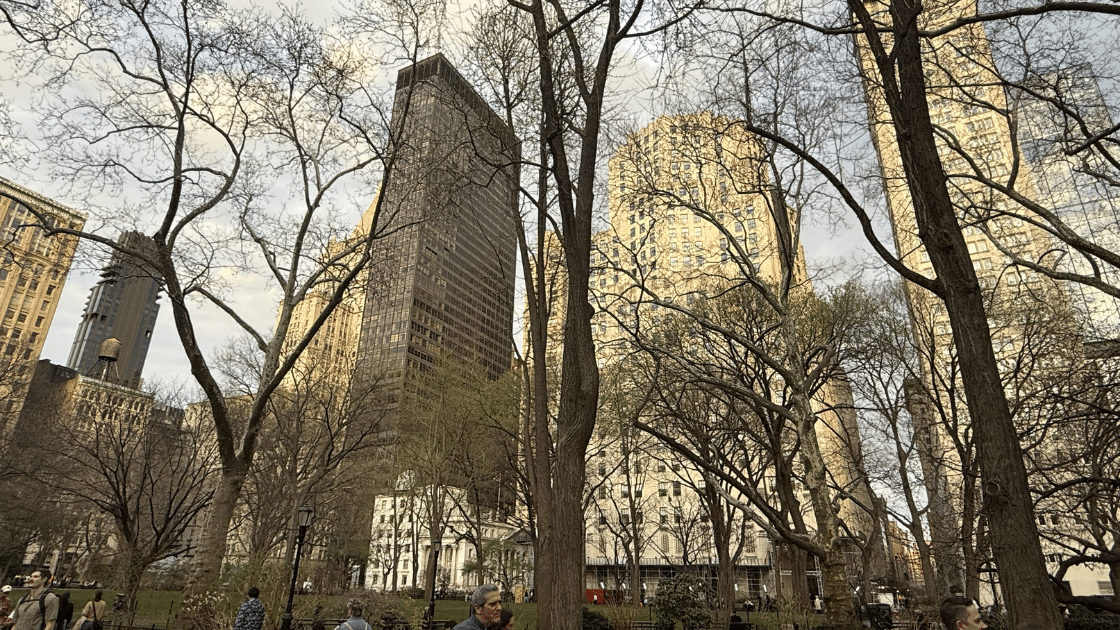
As a founding member of the Knickerbocker Base Ball Club in 1845, Cartwright wrote the 20 original rules, including the 90-foot baseline and three-strike outs, that remain essential to Major League Baseball. His baseball organizing began in the heart of Flatiron District, where he and fellow enthusiasts played informal games on the open grounds of what is now Madison Square Park.
Before the Knickerbockers relocated to Hoboken for their famous first recorded game, Cartwright and his fellow club founders gathered at Madison Square (Madison Avenue & 23rd–26th Streets) between 1842 and 1845 to play "town ball", the predecessor to what we know as organized baseball today.
In 1938, the National Baseball Hall of Fame formally credited Cartwright, not Abner Doubleday, with inventing modern baseball rules, cementing the Flatiron District's connection to America's pastime in sports history.
| Full name | Alexander Joy Cartwright Jr. |
| Born / Died | April 17, 1820 / July 12, 1892 |
| Profession | Pioneer in the creation of baseball, volunteer firefighter, bank clerk, founding member of the Knickerbocker Base Ball Club |
| Active in Flatiron | c. 1842–1849 |
| Known for | Writing the 20 original rules of modern baseball, founding the Knickerbocker Base Ball Club, establishing the 90-foot baseline distance |
| Key Flatiron location | Madison Square (Madison Avenue & 23rd–26th Streets) | 1842–1845 | Site of early informal baseball games by Knickerbocker founders | EXISTS · MODIFIED as Madison Square Park |
| Notable legacy | Cartwright's 1845 rules turned a chaotic folk game into America's national pastime, and his influence started in the open grounds that would become the Flatiron District's civic heart. |
Who Was Alexander?
Alexander Joy Cartwright Jr. was a New Yorker through and through. Born in Manhattan in 1820, raised in a city of cobblestones and commerce, and shaped by the civic volunteerism that defined early American urban life.
Alexander Joy Cartwright: From Bank Clerk to Baseball Visionary
By day, Cartwright worked as a clerk at the Union Bank of New York on Wall Street. By evening, he answered fire bells as a member of Knickerbocker Engine Company No. 12, one of Manhattan’s volunteer fire brigades. These fire companies weren’t just emergency services; they were social clubs, political organizations, and the glue that held neighborhood identity together.
The Knickerbocker fire company culture gave Cartwright more than just camaraderie. It gave him the model for organizing the Knickerbocker Base Ball Club: a brotherhood built around shared activity, with bylaws, dues, and uniforms. The club’s very name came from this firefighting heritage.
The Man Behind the Rules
Cartwright wasn’t the only person playing baseball in 1840s New York, but he was the one who sat down and wrote the rules. His 1845 codification established fundamentals that professional players still follow: the 90-foot baseline, three strikes for an out, and the prohibition of “soaking” (the brutal practice of throwing the ball directly at runners to retire them). Understanding the Flatiron District’s history means understanding how Manhattan’s open spaces shaped American recreation.
He was methodical, organized, and possessed a clerk’s instinct for standardization. His weren’t radical inventions; they were sensible refinements that transformed chaos into sport, much like the things to do in Flatiron today reflect a neighborhood built on organization and culture.
Alexander Joy Cartwright Jr.'s Connection to the Flatiron District
The Flatiron District’s connection to Alexander Cartwright predates the neighborhood’s most famous buildings by half a century. In the early 1840s, what we now call Madison Square Park was simply Madison Square: open ground used for recreation, military drills, and informal athletics.
Baseball’s Manhattan Birthplace
Between 1842 and 1845, Cartwright and the men who would form the Knickerbocker Base Ball Club gathered at Madison Square (Madison Avenue & 23rd–26th Streets) to play “town ball,” a loosely organized predecessor to baseball. The grounds offered flat terrain and enough space for competitive play within walking distance of their downtown workplaces. Today, Madison Square Park remains the civic heart of the neighborhood.
These weren’t formal games. There were no umpires, no uniforms, no admission fees for watchers. They were after-work gatherings of young professionals: bank clerks, merchants, and firefighters who wanted exercise and fellowship. But this informal play became the laboratory where Cartwright developed the rules that would define baseball.
From Madison Square to Hoboken
On September 23, 1845, Cartwright and his colleagues formally organized the Knickerbocker Base Ball Club. The group soon relocated their official games across the Hudson River to Elysian Fields in Hoboken, New Jersey: a pastoral escape from Manhattan’s increasingly crowded streets. There, on June 19, 1846, the Knickerbockers played the first recorded baseball game under Cartwright’s rules, losing 23–1 to the New York Nine.
But the organizational work: the meetings, the rule-writing, the recruitment of members, occurred in Manhattan. Club members frequented the Madison Square vicinity, and the Knickerbocker name itself connected the baseball club to the volunteer fire companies active throughout the Flatiron and surrounding neighborhoods.
What Visitors Can Still See
Today’s Madison Square Park (Madison Avenue & 23rd–26th Streets) bears little physical resemblance to the 1840s open grounds where Cartwright played. The park was formally redesigned in 1870 and has undergone multiple transformations since—visitors exploring the Flatiron District walking tour can trace these changes through the surrounding architecture. Yet the geographic location remains the same—visitors standing near the park’s central lawn occupy the same ground where baseball’s rules first took shape.
Legacy and Impact
Alexander Cartwright’s 20 rules transformed a chaotic game into something that could be taught, replicated, and professionalized. The 90-foot baseline, three-strike outs, and foul lines weren’t just arbitrary choices; they created the strategic tension that makes baseball compelling 180 years later.
In 1938, the National Baseball Hall of Fame formally credited Cartwright with inventing modern baseball rules, ending decades of mythology around Abner Doubleday. Cartwright was inducted posthumously, his plaque reading: “Father of Modern Baseball.”
The irony is that Cartwright had never watched professional baseball. He left New York in 1849 during the Gold Rush, keeping a diary of teaching baseball to frontier communities along the trail. He never reached California because he stopped in Hawaii and stayed for 43 years, becoming the fire chief of Honolulu and advisor to Hawaiian royalty.
The game he codified went on to become America’s national pastime, played in stadiums Cartwright could never have imagined. But it started in Manhattan, on open ground in what would become the Flatiron District. The monuments of Madison Square Park commemorate civic figures, though Cartwright’s baseball legacy remains unmarked in the landscape he helped define. Visitors to Madison Square Park today stand where America’s most beloved sport first found its form.
Alexander Cartwright didn't invent baseball, nobody did. But he's the reason you are able to understand baseball when you watch it. His 1845 rules created the structure that allowed a children's game to become a professional sport, and he drafted them while playing on ground that's now a ten-minute walk from the Flatiron Building. New York has always been a city that standardizes, codifies, and exports its culture to the world. Cartwright was simply doing what New Yorkers do.
Key Facts Worth Knowing
- 1845: Cartwright wrote 20 rules for baseball including the 90-foot baseline distance, three-strike outs, and the elimination of "soaking" (throwing the ball at runners)—fundamentals still used in Major League Baseball today.
- June 19, 1846: The Knickerbocker Base Ball Club played the first recorded game under modern rules at Elysian Fields in Hoboken. They lost 23–1 to the New York Nine in what became baseball's founding game.
- 1938: A special commission led by National League President Ford Frick officially credited Cartwright, not Abner Doubleday, with inventing modern baseball rules, leading to his posthumous Hall of Fame induction.
- 1849: Cartwright kept a detailed diary of his overland journey from New York to California, teaching baseball to communities across the American frontier. He reportedly introduced the game to towns along the entire trail.
- 43 years: After stopping in Hawaii in 1849, Cartwright never left. He became fire chief of Honolulu and advisor to Hawaiian royalty, living on the islands until his death in 1892.
FIND THEIR LEGACY TODAY
- Madison Square Park (Madison Avenue & 23rd–26th Streets, Manhattan): Site of early informal baseball games by Knickerbocker founders including Cartwright between 1842–1845. The park has been redesigned multiple times since 1870 but occupies the same geographic footprint.
- Elysian Fields site (11th & Washington Streets, Hoboken, NJ): Location of the first recorded baseball game under Cartwright's rules on June 19, 1846. The pastoral grounds are now a residential and commercial area; a historical plaque marks the site.
- National Baseball Hall of Fame (25 Main Street, Cooperstown, NY): Houses Cartwright exhibit and displays his 1938 induction plaque reading "Father of Modern Base Ball."
Explore More of Flatiron's History
→ Madison Square Park NYC: What to See, Eat & Do (2025) — The park where Cartwright and fellow Knickerbocker founders played informal baseball in the 1840s before codifying the sport's rules.
→ Flatiron District History: NYC's Landmark Evolution — Contextualizes the 1840s Madison Square area where Cartwright organized early baseball before the neighborhood's transformation.
→ Flatiron District Walking Tour – Historic NYC Landmarks — Walk the grounds where baseball's rules first took shape, from Madison Square to the surrounding historic streetscape.
→ Madison Square Park Monuments: The Stories New Yorkers Walk Past Every Day — The park's monuments commemorate civic figures, though Cartwright's baseball legacy remains unmarked in the landscape he helped define.
→ Things to Do Flatiron – Explore NYC's Most Iconic Neighborhood Like a Local — Discover how the neighborhood where baseball began has evolved into one of Manhattan's most dynamic districts.
In Plain English
Alexander Joy Cartwright Jr. (1820–1892) was a New York City bank clerk and volunteer firefighter who wrote the 20 original rules of baseball in 1845, establishing fundamentals like the 90-foot baseline and three-strike outs that remain in use today. He co-founded the Knickerbocker Base Ball Club and played informal games in the Madison Square area of Manhattan, now part of the Flatiron District, before the club's famous first recorded game in Hoboken. In 1938, the National Baseball Hall of Fame formally credited Cartwright, not Abner Doubleday, with inventing modern baseball rules.
Frequently Asked Questions About Alexander Joy Cartwright Jr.
Q: Did Alexander Cartwright invent baseball?
A: Alexander Cartwright didn't invent baseball, variations of bat-and-ball games existed for centuries. What Cartwright did was codify the rules that transformed a chaotic folk game into a standardized sport. His 1845 rules established the 90-foot baseline, three-strike outs, and the elimination of "soaking" (throwing the ball at runners). In 1938, the National Baseball Hall of Fame officially credited Cartwright as the "Father of Modern Base Ball."
Q: What are the Cartwright rules of baseball?
A: Cartwright wrote 20 rules for baseball in 1845 that remain foundational to the sport. Key innovations included the 90-foot baseline distance, three strikes for an out, the concept of foul territory, and the prohibition of "soaking": the practice of retiring runners by throwing the ball at them. These rules were first used officially on June 19, 1846, when the Knickerbocker Base Ball Club played the New York Nine at Elysian Fields in Hoboken.
Q: Why did Alexander Cartwright move to Hawaii?
A: Cartwright left New York in 1849 during the California Gold Rush, traveling overland and teaching baseball to frontier communities along the way. He stopped in Hawaii, known then as the Kingdom of Hawaii, and never left. He spent the remaining 43 years of his life in Honolulu, becoming a prominent businessman, fire chief, and advisor to Hawaiian royalty. He died there on July 12, 1892.
Q: Is Alexander Cartwright in the Baseball Hall of Fame?
A: Yes. Alexander Cartwright was inducted into the National Baseball Hall of Fame in Cooperstown, New York in 1938. A special commission led by National League President Ford Frick formally credited Cartwright, not Abner Doubleday, with inventing modern baseball rules. His plaque in the Hall reads "Father of Modern Base Ball."
Q: Where did baseball originate in New York?
A: Organized baseball's New York origins trace to the Madison Square area of Manhattan, now part of the Flatiron District. Between 1842 and 1845, Alexander Cartwright and the men who would form the Knickerbocker Base Ball Club played informal games on the open grounds of what is now Madison Square Park. The club later moved to Elysian Fields in Hoboken for their official games, but the organizational work occurred in Manhattan.